
SR-22 Insurance With Nothing Down — Nevada
Free to compare
The Zero-Down SR-22 Reality in Nevada
You received a Nevada DMV suspension notice requiring SR-22 filing within 30 days, but you have no upfront cash for a deposit. Every carrier website promises 'flexible payment options' — but when you start quotes, most still demand first-month premium plus a deposit ranging from $150 to $400. The 'nothing down' policies exist, but they are not the default offering, and carriers do not advertise the structural trade-offs that come with them.
Zero-down SR-22 coverage in Nevada means the carrier accepts your business with no money at policy inception — filing happens immediately, your SR-22 certificate transmits to Nevada DMV electronically within 24 hours, and your first payment pulls 30 days later. The catch: carriers price the higher lapse risk into every monthly premium. You will pay $20 to $40 more per month compared to the same policy with a standard down payment, and your cancellation trigger window shrinks to 10 days past due instead of the standard 20-day grace most Nevada policies carry.
“Zero-down SR-22 policies cancel in 10 days past due vs 20-day standard grace — one missed payment restarts your 3-year Nevada filing clock.”

Line Up Nevada Coverage Before Reinstatement
Get My Nevada Suspended License Insurance Quote$95–$180/mo
Nevada Zero-Down SR-22 Premium
Standard-down SR-22 policies in Nevada for the same driver profile run $75–$140/mo. The $20–$40/mo gap reflects carrier pricing for lapse risk when no deposit anchors the policy. Over a 3-year SR-22 filing period, zero-down policies cost $720–$1,440 more in total premiums.
Carrier rate filings reviewed Feb 2026; individual rates vary by driving history and location.
Which Nevada Carriers Actually Approve Zero-Down SR-22
Not all Nevada-licensed SR-22 carriers offer zero-down terms. Progressive, The General, and Dairyland accept zero-down applications in Nevada for drivers with suspended licenses, but approval hinges on specific underwriting triggers: your suspension cause, how recently the violation occurred, and whether you have had a prior SR-22 filing within the past 5 years. A first-time DUI suspension from 6 months ago qualifies; a second DUI or a suspension for uninsured driving within 18 months typically does not.
Bristol West and National General offer zero-down terms only through broker channels in Nevada — you cannot access these policies via their direct-quote websites. State Farm and Geico do not offer zero-down SR-22 policies in Nevada at all; both require first-month premium plus a deposit ranging from $200 to $350 depending on your violation type. USAA offers zero-down terms to existing members only, and even then, approval requires a clean payment history on your prior USAA policy.
The carrier you qualify for determines your monthly rate more than your driving record does. A driver with a single DUI paying $140/mo through Bristol West could see $95/mo through The General — same violation, same SR-22 filing requirement, different underwriting appetite. Nevada does not regulate SR-22 premium floors, so carriers price suspended-license risk independently. You need quotes from at least three carriers willing to write zero-down policies before you can identify the lowest available rate.

Zero-down SR-22 policies cancel faster: 10-day payment grace vs 20-day standard. A single missed payment triggers DMV notification of lapse, restarting your 3-year filing clock.





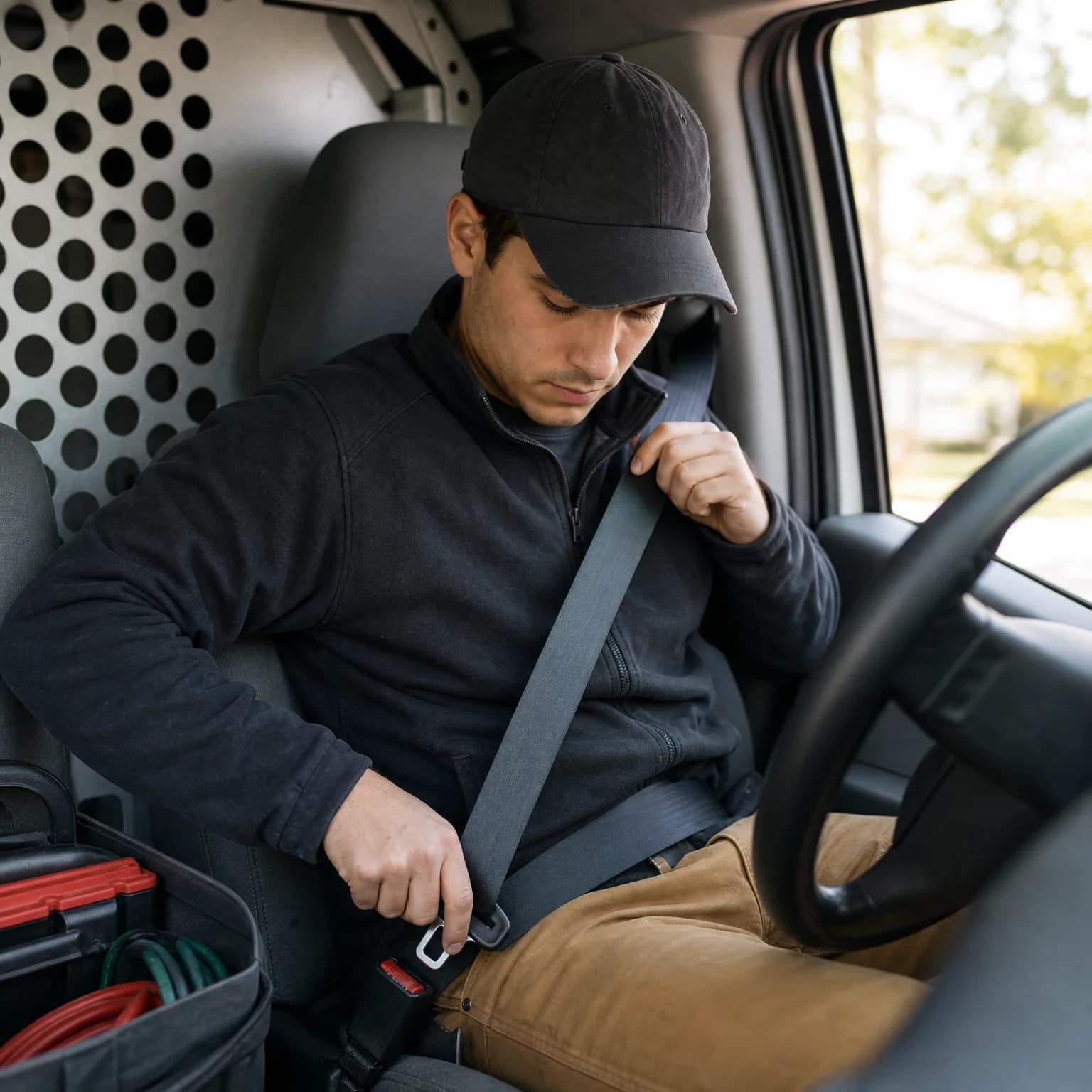

How Zero-Down SR-22 Affects Your Nevada Reinstatement Timeline
Nevada DMV requires continuous SR-22 coverage for 3 years from your reinstatement date, not your suspension date. If you let a zero-down policy lapse at month 18, your 3-year clock resets to zero the day you file a new SR-22 — you do not get credit for the 18 months already completed. The shorter cancellation grace on zero-down policies (10 days past due vs 20 days standard) means a single missed payment can restart your entire filing period if the carrier cancels before you catch up.
Zero-down policies also carry stricter reinstatement requirements after lapse. If your policy cancels for non-payment and the carrier notifies Nevada DMV, you cannot simply pay the past-due amount and reinstate the same policy — most zero-down carriers require you to reapply as a new customer, which triggers a second down payment (no longer zero) and higher monthly premiums. The original zero-down terms do not survive a lapse. You pay standard-down rates going forward even though you qualified for zero-down initially.
Nevada DMV processes SR-22 lapse notifications within 5 business days. Once the lapse posts to your driving record, your license suspends again automatically — no hearing, no warning letter. You have 30 days from the lapse notification date to file a new SR-22 and pay the $75 reinstatement fee or your suspension period extends by the full 3 years. The zero-down structure saves you money at policy inception but increases your exposure to accidental lapse compared to policies with deposit anchors.
10 days
Zero-Down Payment Grace Period
Standard SR-22 policies in Nevada allow 20 days past the due date before cancellation for non-payment. Zero-down policies cut that window to 10 days because no deposit offsets the carrier's lapse risk. Miss the 10-day window and your SR-22 filing cancels, triggering automatic DMV notification and license re-suspension.
Nevada DMV insurance verification system operational rules; grace periods confirmed via carrier policy documents.

Comparing Zero-Down to Standard-Down Total Cost
A $200 down payment on a standard SR-22 policy feels prohibitive when you are starting from zero cash. But over Nevada's required 3-year filing period, the monthly premium gap between zero-down and standard-down policies costs you significantly more. A driver paying $120/mo zero-down vs $95/mo standard-down spends $900 more over 36 months — $25/mo gap times 36 months equals $900, which is $700 more than the $200 deposit you avoided at inception.
The math shifts if you expect to own a vehicle and upgrade from non-owner SR-22 to standard auto coverage within the first year. Non-owner zero-down SR-22 policies in Nevada run $85–$120/mo; when you buy a car and switch to full-coverage SR-22, the new policy resets to standard-down terms regardless of how you started. If you plan to remain in non-owner status for the full 3 years, zero-down costs more. If you expect to own a vehicle within 12 months, zero-down saves upfront cash and the long-term cost disadvantage disappears when you convert to standard auto coverage.
Next Step: Compare Carriers That Actually Write Zero-Down in Nevada
Zero-down SR-22 policies exist in Nevada, but only three non-standard carriers offer them without broker requirements: Progressive, The General, and Dairyland. Approval depends on your violation recency, prior SR-22 history, and insurance lapse length — not just your willingness to pay higher monthly premiums. Start quotes with all three carriers simultaneously because approval from one does not predict approval from the others, and monthly rates vary by $40 to $85 for the same driver profile. If all three deny zero-down terms, expect standard down payment requirements ranging from $150 to $350 depending on carrier and violation type. Nevada DMV requires your SR-22 filing within 30 days of your reinstatement eligibility date — waiting until day 29 to discover you need a down payment you do not have resets your entire timeline. Get quotes now while you still have margin to arrange the deposit if zero-down denials come back.
What Zero-Down Approval Actually Requires
First factor: violation recency. Carriers offering zero-down terms in Nevada require at least 90 days between your suspension effective date and your policy application date. A suspension that started yesterday does not qualify — the carrier needs proof you remained off the road during the hard suspension window. This rule exists because zero-down policies carry higher early-cancellation rates; carriers assume drivers applying the day after suspension are higher lapse risks than drivers who waited through the suspension period before seeking coverage. If your Nevada suspension began within the past 90 days, expect standard down payment requirements or outright denial from zero-down carriers.
Second factor: prior SR-22 history. If you filed SR-22 in Nevada or any other state within the past 5 years, zero-down approval odds drop by roughly 60 percent. Carriers view prior SR-22 filings as predictors of future lapses, and zero-down policies already price higher lapse risk into monthly premiums — stacking a second risk layer (prior filing history) on top of the first (zero deposit) exceeds most carriers' appetite. You will route to standard-down terms or higher-tier non-standard carriers that charge $180/mo and above. Third factor: current insurance lapse length. If you have been uninsured for more than 60 days at application, zero-down approval requires proof of why — job loss, medical leave, or vehicle sale. Carriers distinguish between intentional gaps (sold the car, moved states) and negligent gaps (forgot to renew, could not afford premiums). Intentional gaps qualify; negligent gaps do not.
Get Your Free Quote
Get My Nevada Suspended License Insurance QuoteFrequently Asked Questions
Can I get SR-22 insurance in Nevada with no money down?
Yes, but only through Progressive, The General, or Dairyland — and approval requires your suspension to be at least 90 days old, no prior SR-22 filings within 5 years, and proof of why you were uninsured if the gap exceeds 60 days. Monthly premiums run $95–$180/mo, which is $20–$40/mo higher than standard-down policies. State Farm, Geico, and USAA do not offer zero-down SR-22 in Nevada.
How much does zero-down SR-22 cost in Nevada over 3 years?
Zero-down SR-22 policies in Nevada cost $3,420–$6,480 over the required 3-year filing period at $95–$180/mo. Standard-down policies for the same driver profile cost $2,700–$5,040 total ($75–$140/mo) plus a $150–$350 deposit. The zero-down structure costs $720–$1,440 more over 36 months than paying a deposit upfront.
What happens if I miss a payment on a zero-down SR-22 policy in Nevada?
Zero-down SR-22 policies in Nevada cancel 10 days past the due date, compared to 20-day grace on standard policies. Once canceled, the carrier notifies Nevada DMV electronically within 24 hours, your license suspends again automatically, and your 3-year SR-22 filing clock resets to zero. You cannot reinstate the same policy — you must reapply as a new customer at standard-down rates.
Do all Nevada SR-22 carriers offer zero-down options?
No. Only Progressive, The General, and Dairyland offer zero-down SR-22 policies in Nevada without requiring a broker. Bristol West and National General offer zero-down terms only through licensed agents. State Farm, Geico, and USAA require down payments ranging from $200 to $350 for all SR-22 applicants regardless of violation type or driving history.
Can I switch from zero-down SR-22 to standard SR-22 later in Nevada?
Yes, but the switch resets your policy to standard-down terms and you lose the zero-down pricing permanently. If you buy a vehicle and upgrade from non-owner SR-22 to full-coverage SR-22, the new policy requires a deposit even if your original non-owner policy was zero-down. The zero-down benefit does not carry forward to policy changes or carrier switches.
Does Nevada DMV care whether my SR-22 policy is zero-down or standard-down?
No. Nevada DMV only verifies that an SR-22 certificate is on file and remains active for 3 continuous years from your reinstatement date. The payment structure between you and your carrier does not appear on your DMV record. However, zero-down policies lapse faster due to shorter grace periods, which increases your risk of accidental DMV notification and license re-suspension.