Non-Owner SR-22 Insurance for Borrowed-Car Drivers — Nevada
Free to compare
You Need SR-22 But You Don't Own a Car
Your license was suspended in Nevada — DUI, points accumulation, or uninsured driving — and now you're staring at the Nevada DMV reinstatement requirements. The DMV wants proof of insurance via SR-22 filing, but you don't own a vehicle. You borrow your partner's car for work, your roommate's truck for errands, or your parent's sedan for appointments. Standard auto insurance won't work because you're not the titled owner, and the owner's policy doesn't satisfy your SR-22 filing obligation.
This is the exact situation non-owner SR-22 insurance solves. It's a liability-only policy that files SR-22 directly with the Nevada DMV under your name, covering you when you drive any borrowed vehicle. The policy doesn't require you to own, lease, or title a car. It satisfies Nevada's reinstatement requirement while letting you continue using borrowed vehicles legally.
“Nevada DMV requires SR-22 filing under your own name — being listed on the owner's policy does not satisfy reinstatement.”
Line Up Nevada Coverage Before Reinstatement
Get My Nevada Suspended License Insurance Quote$25–$45/mo
Nevada Non-Owner SR-22 Premium
Non-owner policies cost substantially less than standard auto insurance because they carry no collision or comprehensive coverage and insure only the driver, not a specific vehicle. Rates vary by violation history and county.
Carrier rate ranges for non-owner policies, Nevada market data
What Non-Owner SR-22 Actually Covers
Non-owner SR-22 is a liability policy. It covers bodily injury and property damage you cause while driving a borrowed vehicle, up to Nevada's minimum liability limits: $25,000 per person, $50,000 per accident for bodily injury, and $20,000 for property damage. The policy does not cover damage to the vehicle you're driving — that responsibility falls to the vehicle owner's collision coverage or comes out of pocket.
The SR-22 certificate itself is a compliance filing. Your insurer electronically transmits the SR-22 form to the Nevada DMV, verifying that you maintain continuous liability coverage. The DMV monitors this filing for the required period — typically three years after a DUI conviction. If your policy lapses or cancels, the insurer notifies the DMV immediately, triggering re-suspension of your license.
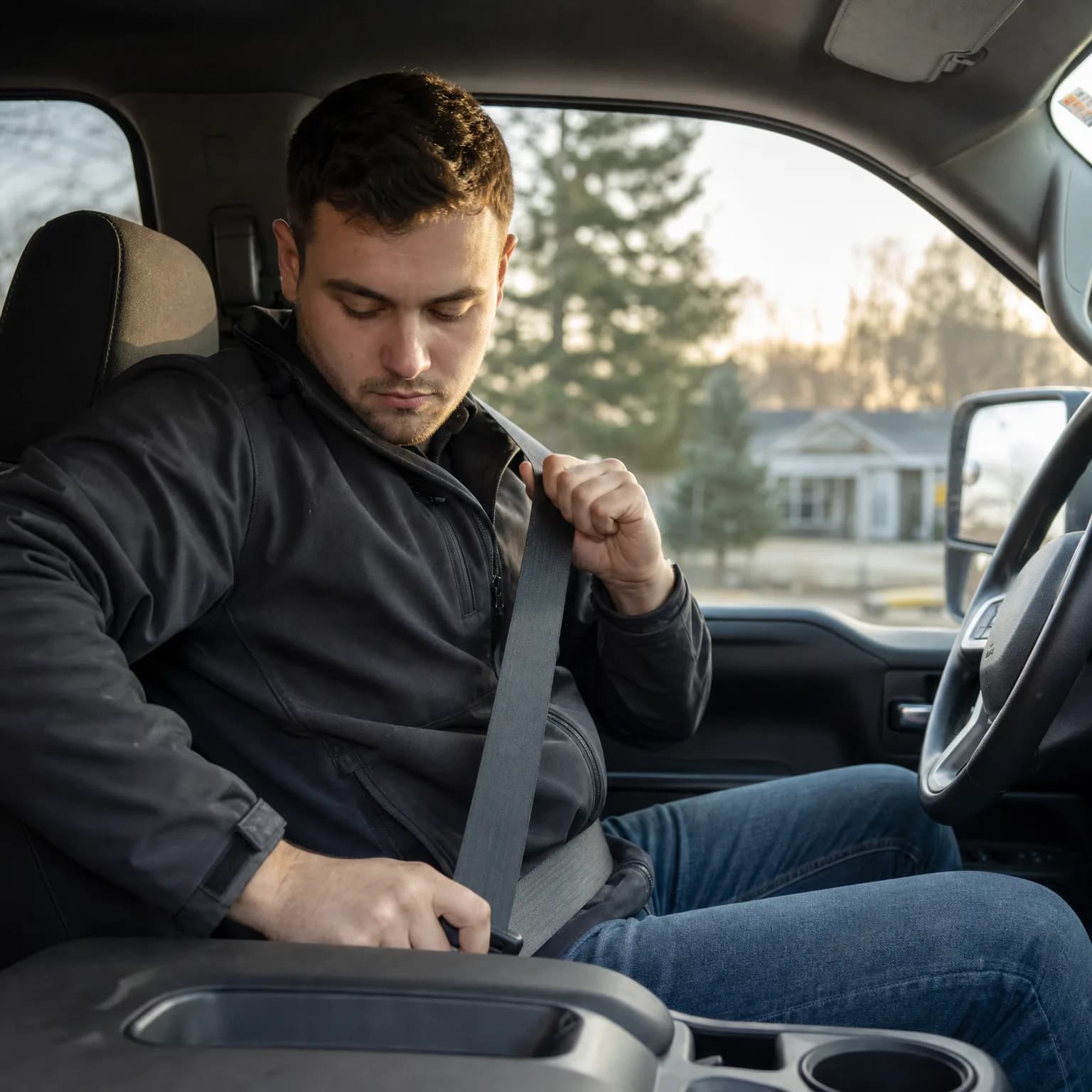
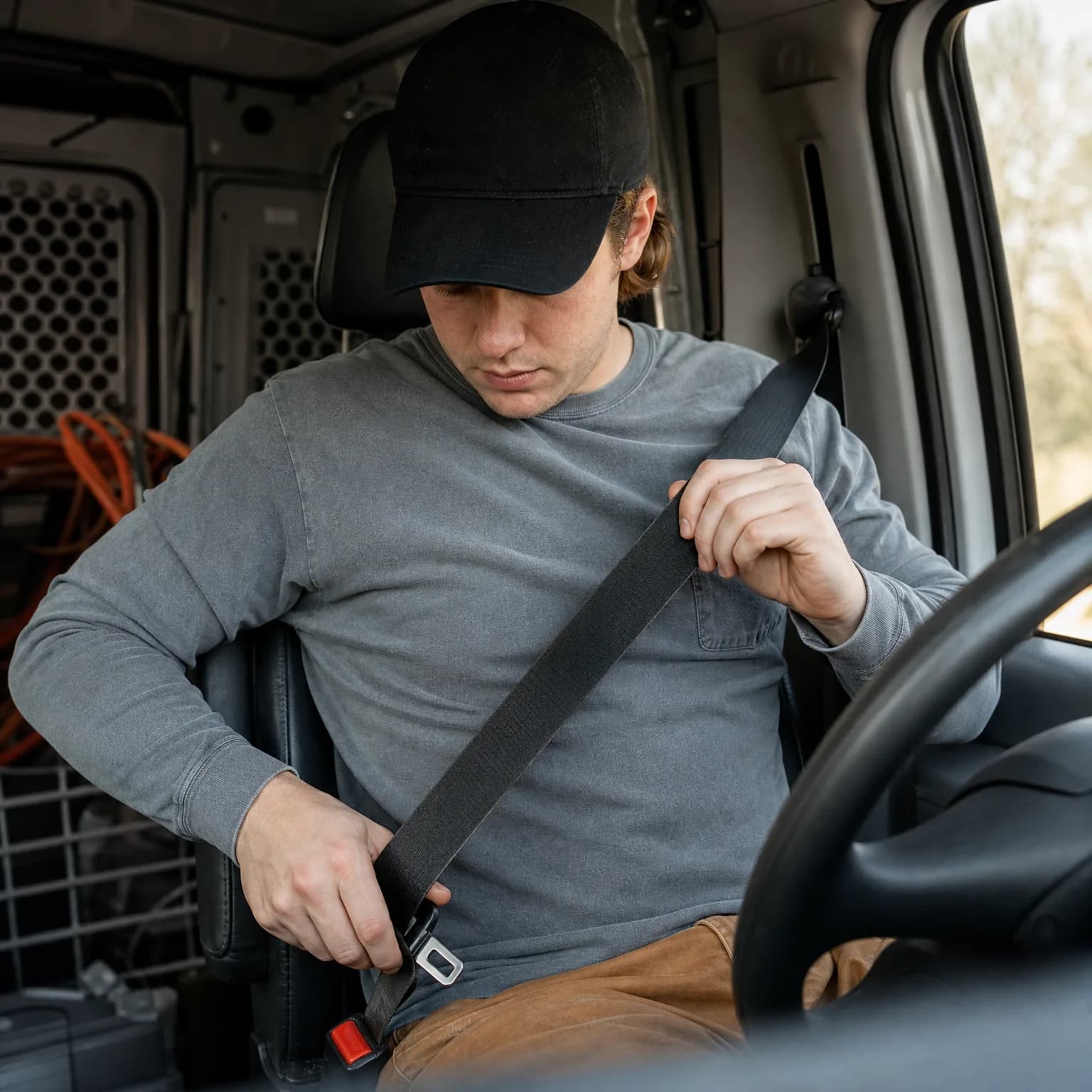
The coverage follows you across any borrowed vehicle. You don't update the policy when you switch from your partner's sedan to your friend's pickup. As long as you have permission to drive the vehicle and the vehicle is not regularly available to you in your household, the non-owner policy extends liability coverage. Household vehicles owned by someone you live with require being listed on their policy instead.
Nevada DMV requires SR-22 filing under your own name — being listed on the vehicle owner's policy does not satisfy your reinstatement obligation.




When Non-Owner Policies Don't Apply
Non-owner SR-22 covers borrowed vehicles you drive occasionally with permission. It does not cover vehicles you own, lease, or have titled in your name — those require a standard auto policy. It also does not cover vehicles registered to someone in your household that you regularly use. If you live with your spouse and regularly drive their car, Nevada considers that a household vehicle, and you must be listed as a driver on their policy.
The policy excludes vehicles available for your regular use even if you don't own them. If your employer provides a company vehicle you drive daily, or if a family member lets you use their car as your primary transportation, that vehicle falls outside non-owner coverage. The insurer expects you to disclose regular-use vehicles during the application — failing to do so can result in denied claims.
If you purchase or lease a vehicle while holding a non-owner policy, you must immediately switch to a standard auto policy covering that vehicle. The non-owner policy terminates the moment you take title. If you don't notify your insurer and file a new SR-22 under the standard policy, the insurer cancels the non-owner SR-22, the DMV receives the cancellation notice, and your license is re-suspended.
1–5 business days
Nevada SR-22 Electronic Filing Window
Insurers transmit SR-22 certificates to Nevada DMV electronically through the state's insurance verification system. Processing is typically completed within this window, though reinstatement eligibility also depends on satisfying all other DMV requirements.
Nevada DMV insurance filing procedures

Comparing Carriers Writing Non-Owner SR-22 in Nevada
Not all carriers write non-owner policies, and among those that do, rates vary significantly by your violation history and county. Geico writes non-owner SR-22 policies statewide and allows online quotes for drivers with single DUI convictions. Progressive writes non-owner policies for high-risk drivers including multiple DUIs but typically requires a phone quote. Dairyland specializes in non-standard coverage and writes non-owner SR-22 for drivers with complex violation histories.
Bristol West and The General both write non-owner SR-22 in Nevada and focus on drivers who cannot access standard-tier coverage. National General writes non-owner policies but processing times for SR-22 filing can extend beyond the typical window — confirm electronic filing capability before binding. USAA writes non-owner SR-22 but restricts eligibility to military members, veterans, and their families. State Farm writes non-owner policies in Nevada but SR-22 availability varies by local agent — not all State Farm agents handle non-owner SR-22 filings.
What Happens After You Reinstate
Once your license is reinstated, the SR-22 filing obligation continues for the required period — three years for most DUI-related suspensions in Nevada. You cannot cancel the non-owner policy during this window without triggering immediate re-suspension. If your circumstances change and you no longer need to drive borrowed vehicles, you still must maintain some form of SR-22-backed insurance, even if that means paying for coverage you're not actively using.
If you purchase a vehicle during the SR-22 period, switch to a standard auto policy immediately and ensure the new insurer files an updated SR-22 certificate with Nevada DMV before the non-owner policy cancels. The gap between cancellation of the old SR-22 and activation of the new one must be zero days — even a single day without active SR-22 filing on record triggers DMV suspension. Coordinate the transition with both insurers before making any changes. Most suspended-license drivers eventually transition from non-owner to standard coverage as their situation stabilizes, but the SR-22 filing obligation follows them across both policy types until the mandated period expires.
Get Quotes from Carriers Writing Non-Owner Policies
Non-owner SR-22 premiums vary by your violation type, the date of your suspension, and the county where you're reinstating. Carriers price these policies differently — one carrier's $30/month quote may be another's $60/month for the same driver profile. Compare at least three carriers before binding. Start with Geico and Progressive for online quotes, then contact Dairyland or Bristol West if your violation history is complex or if you've been declined by standard-tier carriers. Confirm that the insurer files SR-22 electronically with Nevada DMV and ask for the specific timeline between policy activation and DMV receipt of the certificate. Once you've identified the lowest rate with verified electronic filing, bind the policy and request written confirmation of SR-22 transmission before submitting your reinstatement application to the DMV.
How Non-Owner SR-22 Filing Works in Nevada
You purchase a non-owner liability policy from a carrier licensed to write SR-22 in Nevada. Geico, Progressive, Dairyland, Bristol West, and The General all write non-owner policies and file SR-22 electronically. The carrier charges the policy premium plus a one-time SR-22 filing fee, typically $15–$25. The insurer transmits the SR-22 certificate to Nevada DMV electronically within one to five business days of policy activation.
Once Nevada DMV receives and processes the SR-22 filing, you can proceed with license reinstatement. You'll still need to pay the $35 base reinstatement fee, complete any required DUI education courses or ignition interlock device installation, and satisfy any outstanding fines or suspensions. The SR-22 filing is one component of the reinstatement process, not the entire process. After reinstatement, you must maintain the non-owner policy without lapse for the full SR-22 filing period — three years for most DUI cases.
Get Your Free Quote
Get My Nevada Suspended License Insurance QuoteFrequently Asked Questions
Can I satisfy Nevada SR-22 requirements by being added to someone else's auto insurance policy?
No. Nevada DMV requires SR-22 filing under your own name as proof that you personally maintain liability coverage. Being listed as a driver on another person's policy does not generate an SR-22 certificate tied to your license. You must hold your own policy — either non-owner or standard auto — with SR-22 filing in your name.
What happens if I let my non-owner SR-22 policy lapse before the three-year period ends?
Your insurer immediately notifies Nevada DMV electronically when your policy cancels or lapses. The DMV re-suspends your license within days, and you must start the reinstatement process over, including paying a new reinstatement fee. The SR-22 clock does not pause — the three-year period restarts from the date you file a new SR-22 certificate.
Does non-owner SR-22 cover me if I borrow a car from someone I live with?
No. Household vehicles — cars owned or regularly used by people you live with — are excluded from non-owner coverage. Nevada insurers require you to be listed as a driver on the household member's standard auto policy instead. Non-owner SR-22 applies only to vehicles borrowed from people outside your household on an occasional basis.
How much does non-owner SR-22 insurance cost in Nevada after a DUI?
Non-owner SR-22 policies typically cost $25–$45 per month in Nevada, significantly less than standard auto insurance because they carry no collision or comprehensive coverage. Rates vary by the severity of your violation, your county, and the carrier. Drivers with multiple DUIs or additional violations pay higher premiums, sometimes $60–$90/month.
Can I drive any car with a non-owner SR-22 policy, or are there restrictions?
You can drive any borrowed vehicle you have permission to use, as long as it is not owned by someone in your household and not regularly available to you. The policy does not cover vehicles you own, lease, or use as primary transportation. It also excludes rental cars — you need separate rental coverage for those.
Do I need to notify my non-owner SR-22 insurer if I switch between different borrowed cars?
No. Non-owner policies cover you across any borrowed vehicle that meets the policy terms. You do not need to update the policy when you borrow a different car, as long as you have the owner's permission and the vehicle is not regularly available to you.
What happens if I buy a car while I still have a non-owner SR-22 policy?
You must immediately switch to a standard auto policy covering the titled vehicle and ensure the new insurer files an SR-22 certificate before the non-owner policy cancels. If there is any gap in SR-22 filing — even one day — Nevada DMV re-suspends your license. Coordinate the transition with both insurers to avoid a lapse.
Will Nevada DMV accept an SR-22 filed by an out-of-state insurance company?
No. Nevada requires SR-22 filing from an insurer licensed and authorized to write policies in Nevada. Out-of-state insurers cannot file SR-22 certificates with Nevada DMV, even if you hold an out-of-state license. You must purchase coverage from a Nevada-authorized carrier.