
Non-Owner SR-22 Insurance After a DWI — Nevada
Free to compare
You Don't Own a Car, But Nevada Still Requires SR-22
Your Nevada license was suspended after a DWI conviction. You don't currently own a vehicle—you sold it, you're between cars, or you've been relying on rideshares and public transit. Now you're preparing for reinstatement and the DMV tells you that you need SR-22 proof of insurance. The requirement makes no sense: why would you need to prove insurance on a car you don't have?
Nevada Revised Code 484C.220 mandates SR-22 filing for DWI offenders regardless of vehicle ownership status. The filing proves financial responsibility to the state, not that you're insuring a specific car. Non-owner SR-22 policies exist precisely for this gap—they provide liability coverage when you drive someone else's vehicle and generate the SR-22 certificate Nevada DMV requires for reinstatement. This article walks the non-owner SR-22 pathway from policy purchase through reinstatement.
“Nevada requires SR-22 filing for DWI reinstatement even when you don't own a vehicle—non-owner policies generate the certificate without insuring a car.”

Line Up Nevada Coverage Before Reinstatement
Get My Nevada Suspended License Insurance Quote3 years
Nevada SR-22 Filing Period
Nevada requires continuous SR-22 filing for three years following a first DWI conviction, measured from the conviction date. If the policy lapses at any point during this period, the insurer notifies Nevada DMV electronically and your driving privilege is suspended again within days.
NRS 484C.220
What Non-Owner SR-22 Actually Covers
Non-owner SR-22 is a liability-only auto insurance policy issued to drivers who do not own a registered vehicle. The policy covers bodily injury and property damage liability when you drive a vehicle you do not own—borrowed cars, rental cars, or vehicles loaned to you by friends or family. Nevada's minimum liability requirements apply: $25,000 bodily injury per person, $50,000 bodily injury per accident, and $20,000 property damage.
The policy does not cover damage to the vehicle you're driving. It does not cover vehicles you own or vehicles registered in your household. It does not replace the vehicle owner's insurance—their policy is primary, and non-owner coverage applies only when their limits are exhausted or when they have no coverage. The policy's primary function in your situation is generating the SR-22 certificate that satisfies Nevada DMV's reinstatement requirement.
When you purchase a non-owner SR-22 policy, the insurer files the SR-22 certificate electronically with Nevada DMV within 24 to 48 hours. The certificate proves you carry the state-required minimum liability coverage. Nevada DMV tracks this filing continuously through its electronic insurance verification system. If you cancel the policy or let it lapse, the insurer notifies DMV immediately and your driving privilege suspends again.
Nevada DMV will not process your reinstatement application until the SR-22 certificate appears in their system—policy purchase alone does not satisfy the requirement.



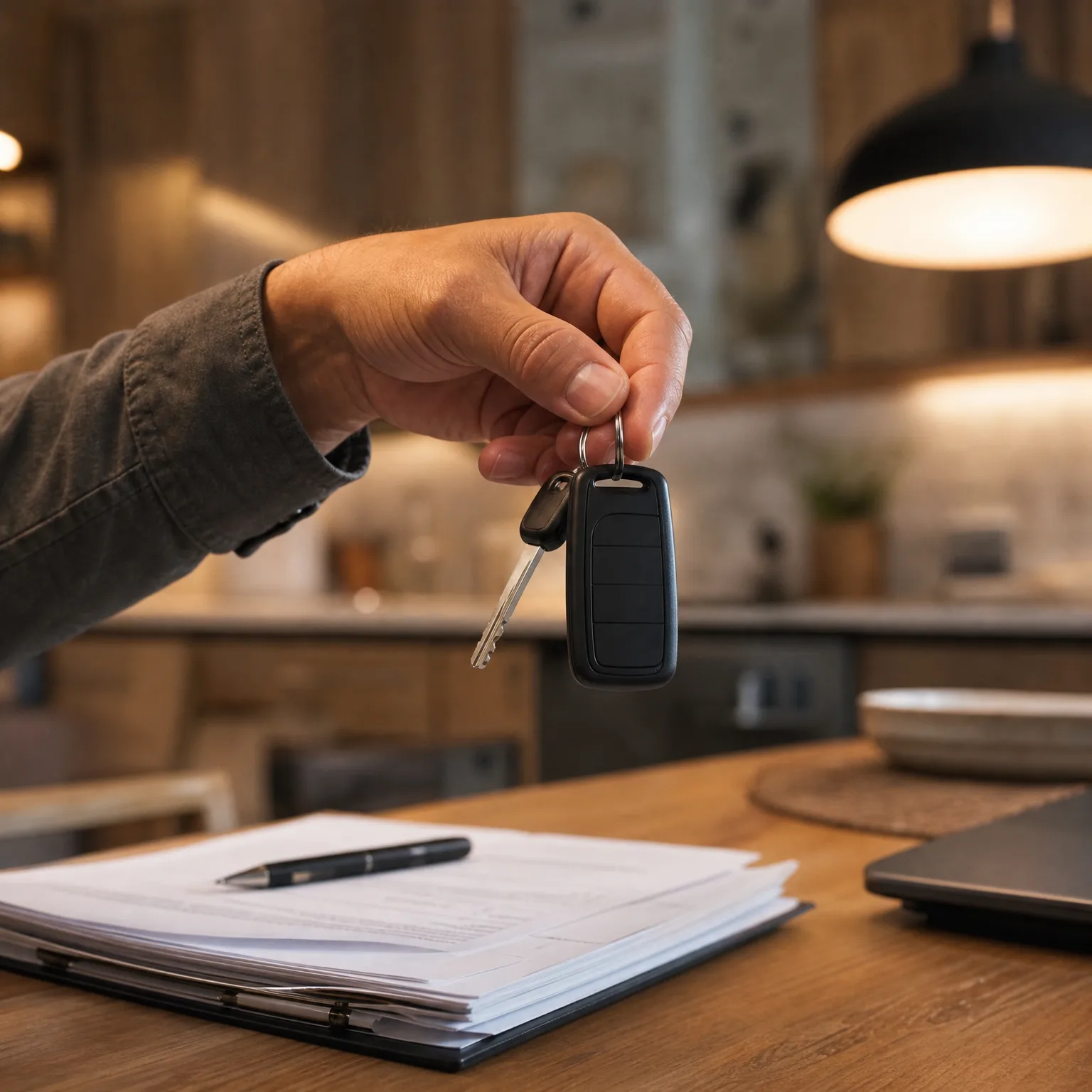
Non-Owner SR-22 Premium Costs After a DWI
Nevada non-owner SR-22 premiums for DWI-convicted drivers typically range from $25 to $45 per month, depending on your age, county, prior driving history before the DWI, and the carrier's DWI surcharge structure. This is substantially lower than standard auto insurance premiums because non-owner policies carry no collision, comprehensive, or physical damage coverage—only state-minimum liability.
The SR-22 filing fee itself is usually $15 to $25, charged once at policy inception. Some carriers fold this fee into the first month's premium; others itemize it separately. DWI convictions elevate premiums across all policy types, but non-owner policies start from a lower base, so the absolute dollar increase is smaller than what you would face insuring an owned vehicle.
Compare quotes from multiple carriers. Non-standard carriers such as Dairyland, The General, and Bristol West specialize in high-risk drivers and often price DWI risk more competitively than standard carriers. Estimates based on available industry data; individual rates vary by driving history, age, and county.
$35
Nevada Base Reinstatement Fee
Nevada charges a $35 base reinstatement fee to restore a suspended license. DWI cases may carry additional fees—DUI program completion fees, court fines, or ignition interlock device removal fees—that layer on top of this base amount. Verify your total reinstatement cost at a Nevada DMV office before beginning the process.
Nevada DMV fee schedule
Reinstatement Pathway With Non-Owner SR-22
After your 45-day hard suspension period ends (the period during which no driving is permitted under any circumstance), you become eligible to apply for either a restricted license with an ignition interlock device or full reinstatement, depending on how much time has elapsed since your conviction and whether you completed all DUI program requirements. Non-owner SR-22 filing is required for both pathways.
If you opt for the restricted license route, Nevada allows limited driving to and from work, school, medical appointments, or court-ordered programs, conditioned on installing an ignition interlock device in any vehicle you operate. This creates a practical problem for non-owner SR-22 holders: you do not own a vehicle to install the device in. You must either borrow a vehicle from someone willing to have the device installed, rent a vehicle equipped with an interlock device through a participating vendor, or arrange employment or school transportation that does not require you to drive until full reinstatement.
Full reinstatement after the complete suspension period requires proof of SR-22 filing, payment of all reinstatement fees, completion of Nevada's DUI education program, and proof of ignition interlock device compliance if the court ordered it as a condition of reinstatement. The non-owner SR-22 policy must remain active and paid throughout the three-year SR-22 filing period. Any lapse triggers immediate suspension and restarts the reinstatement process from the beginning.
Compare Non-Owner SR-22 Carriers in Nevada
Not every carrier licensed to write auto insurance in Nevada writes non-owner policies, and not every non-owner carrier accepts DWI-convicted applicants. Geico, Progressive, Dairyland, The General, and USAA all confirm non-owner SR-22 availability and accept high-risk drivers, though USAA restricts eligibility to military members, veterans, and their families. Bristol West and National General operate through broker channels and may require you to work with an agent rather than quoting online.
Request quotes from at least three carriers. Premium variation for DWI non-owner SR-22 policies can exceed 40 percent between the highest and lowest quote due to differences in how carriers underwrite DWI risk. Some carriers tier DWI offenders by blood alcohol concentration level, prior violations, or time since conviction; others apply a flat surcharge. Compare the monthly premium, the SR-22 filing fee, and whether the carrier offers payment plans that split the six-month or annual premium into monthly installments without financing charges.
How to Buy Non-Owner SR-22 in Nevada
Contact carriers that write non-owner SR-22 policies in Nevada. Based on carrier licensing data, Geico, Progressive, Dairyland, The General, and USAA (for military-eligible drivers) explicitly confirm non-owner SR-22 availability. Bristol West and National General write SR-22 policies and may offer non-owner variants through broker channels. Request a non-owner SR-22 quote and disclose your DWI conviction—carriers price DWI risk into the premium, and attempting to omit it will result in policy rescission when the carrier pulls your motor vehicle record.
Once you select a carrier and pay the first month's premium, the insurer files the SR-22 certificate electronically with Nevada DMV. You do not file the SR-22 yourself. Verify with the carrier that the filing went through—request a confirmation email or a copy of the filed SR-22 form. Nevada DMV's electronic insurance verification system updates within one to three business days. After the SR-22 appears in the system, you can proceed with your reinstatement application, which requires the $35 base reinstatement fee plus any additional fees tied to your DWI case.
Get Your Free Quote
Get My Nevada Suspended License Insurance QuoteFrequently Asked Questions
Can I get SR-22 insurance in Nevada without owning a car?
Yes. Non-owner SR-22 policies provide state-minimum liability coverage when you drive vehicles you do not own and generate the SR-22 certificate Nevada DMV requires for DWI reinstatement. Geico, Progressive, Dairyland, The General, and USAA write non-owner SR-22 policies in Nevada.
How much does non-owner SR-22 cost after a DWI in Nevada?
Non-owner SR-22 premiums for DWI-convicted drivers in Nevada typically range from $25 to $45 per month. The SR-22 filing fee is usually $15 to $25, charged once at policy inception. Individual rates vary by age, county, and carrier underwriting rules.
How long do I need to maintain SR-22 filing in Nevada after a DWI?
Nevada requires continuous SR-22 filing for three years following a DWI conviction. If your non-owner policy lapses at any point during this period, the insurer notifies Nevada DMV electronically and your driving privilege suspends again immediately.
Does non-owner SR-22 cover rental cars in Nevada?
Yes. Non-owner SR-22 policies provide liability coverage when you drive rental cars, borrowed cars, or any vehicle you do not own. The policy does not cover physical damage to the rental vehicle—you would need to purchase the rental company's collision damage waiver for that.
Can I switch from non-owner SR-22 to regular auto insurance in Nevada?
Yes. If you purchase a vehicle during your three-year SR-22 filing period, contact your insurer to convert your non-owner policy to a standard auto policy with SR-22 endorsement. The insurer will file an updated SR-22 certificate reflecting the new policy type, and your filing period continues uninterrupted.
What happens if my non-owner SR-22 policy lapses in Nevada?
The insurer notifies Nevada DMV electronically within 24 hours of the lapse. Nevada DMV suspends your driving privilege immediately. To reinstate, you must purchase a new SR-22 policy, pay a reinstatement fee, and restart your three-year SR-22 filing period from the beginning.