
Low Down Payment Non-Owner SR-22 — Nevada
Free to compare
The Deposit Wall Between You and Reinstatement
You walked into the Nevada DMV ready to pay the $35 reinstatement fee, complete your paperwork, and close the suspension chapter. The clerk told you that you need an SR-22 certificate filed electronically before they process anything. You don't own a car. You called three insurance agencies. Two refused to quote non-owner policies at all. The third quoted $220/month with a $450 upfront deposit — three months' premium paid before coverage starts. That deposit became the wall between you and your license.
Nevada uses an electronic SR-22 verification system that accepts filings instantly from authorized carriers. The deposit barrier isn't a DMV requirement or a state law — it's carrier underwriting policy. Non-owner SR-22 policies exist specifically for suspended drivers without vehicles, and a subset of non-standard carriers write them with deposits under $100. The problem: most suspended drivers contact standard-tier carriers first, get quoted sky-high deposits or outright denials, and assume no accessible path exists.
“The carrier you choose determines whether you pay $75 upfront or $450 — not your driving record, but which underwriting pool you access.”

Line Up Nevada Coverage Before Reinstatement
Get My Nevada Suspended License Insurance Quote$35
Nevada Reinstatement Fee
The base fee to restore driving privileges after most suspension types in Nevada. DUI-related revocations carry higher fees and additional requirements including ignition interlock device installation and DUI school completion.
Nevada DMV reinstatement fee schedule
Why Non-Owner SR-22 Requires a Different Carrier Pool
Standard-tier carriers like State Farm and Allstate build their underwriting models around vehicle-owning households. When you request a non-owner policy, their systems flag it as high-risk outlier business. Many standard carriers refuse to write non-owner SR-22 entirely. Those that do price it as distressed inventory: high monthly premiums, high deposits, restrictive payment terms.
Non-standard carriers — Bristol West, Dairyland, The General, Progressive's non-standard division — build their entire model around suspended and high-risk drivers. They write non-owner SR-22 as core product, not exception case. Their underwriting accepts suspended license status without the deposit penalty standard carriers impose. Monthly premiums run $45–$85 depending on violation history. Deposits range from $0 to $75 for most applicants.
The three carriers confirmed to write low-deposit non-owner SR-22 in Nevada as of current filings: Bristol West (typically $50–$75 down, $50–$70/month), Dairyland ($0–$50 down, $45–$65/month), and The General ($25–$75 down, $55–$85/month). All three file SR-22 certificates electronically to Nevada DMV within 24 hours of policy binding. All three accept suspended drivers explicitly.
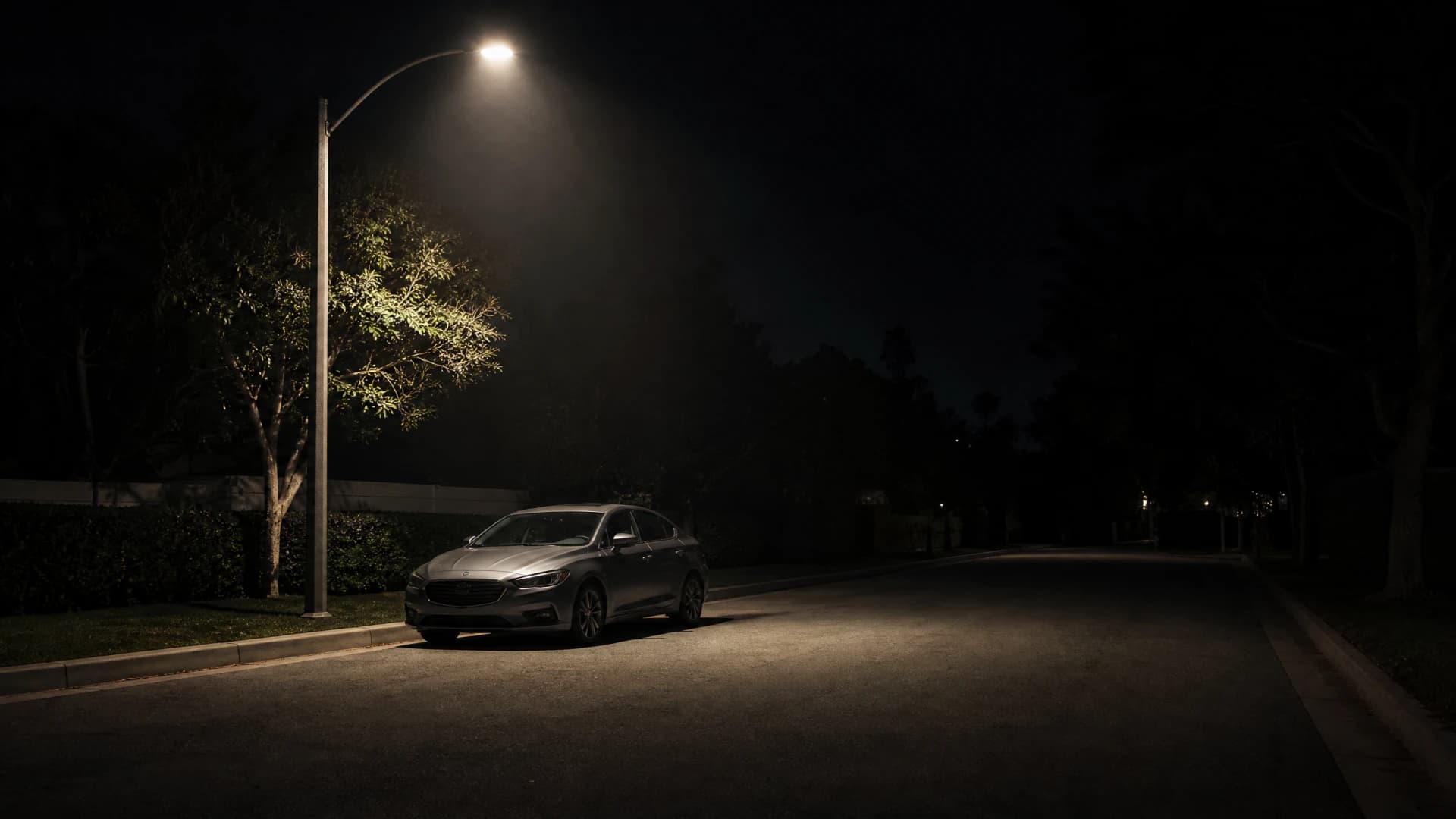
The carrier you choose determines whether you pay $75 upfront or $450 — not your driving record, not your suspension type, but which underwriting pool you access.





The Three-Year Filing Requirement Nevada Suspended Drivers Face
Nevada's SR-22 filing period depends on the violation that triggered your suspension. DUI-related suspensions require three years of continuous SR-22 filing from the date you reinstate your license, not from the conviction date. Insurance-lapse suspensions typically require three years as well. Excessive-point suspensions sometimes carry shorter periods, but Nevada DMV defaults to three years unless your suspension order specifies otherwise.
The three-year clock only starts after reinstatement. If you delay reinstating for six months after your suspension period ends, those six months don't count toward the three-year requirement. The filing obligation runs from the day Nevada DMV processes your reinstatement and receives the electronic SR-22 certificate, forward three years continuously.
Letting your SR-22 policy lapse at any point during the required period triggers automatic re-suspension. Nevada's electronic verification system flags lapses within 24 hours. The carrier is required by state law to notify Nevada DMV electronically when your policy cancels. DMV mails a suspension notice. Your driving privilege revokes. You start the reinstatement process over: new $35 fee, new SR-22 filing, possible additional penalties depending on how many lapses you've accumulated.
3 years
Nevada SR-22 Filing Period
DUI and insurance-lapse suspensions require continuous SR-22 coverage for three years post-reinstatement. The period begins the day Nevada DMV processes your reinstatement, not the suspension date or conviction date.
NRS 485.187, Nevada DMV SR-22 requirements

Month-to-Month Payment Plans and the Lapse Risk
Low-deposit carriers offer month-to-month payment plans, but those plans create lapse risk if you miss a single payment. Nevada law allows carriers a 10-day grace period before canceling for non-payment. After 10 days, the carrier cancels the policy and files the lapse electronically with DMV the same day. Your license suspends again before you receive the cancellation notice in the mail.
Autopay from a checking account eliminates most lapse risk. Set the draft date two days after payday. Confirm the account has overdraft protection or maintain a buffer balance. Carriers will not call you before canceling — the 10-day grace is the only warning you get. One missed payment three months before your SR-22 period ends resets the entire three-year clock.
Next Step: Compare the Three Low-Deposit Carriers
Request quotes from Bristol West, Dairyland, and The General simultaneously. Each underwrites slightly differently: Bristol West often quotes lowest for drivers with one DUI and no other violations; Dairyland tends to price better for multiple violations or points-related suspensions; The General sometimes offers the lowest deposit for applicants with recent lapses. Quote all three, compare the total first-month cost (premium plus deposit plus SR-22 filing fee), and bind with whichever combination gets you compliant fastest. Nevada DMV processes reinstatements the same day they receive electronic SR-22 filing — your limitation is the carrier's filing speed, not the state's processing window.
How Non-Owner SR-22 Coverage Actually Works
Nevada requires minimum liability limits of $25,000 bodily injury per person, $50,000 bodily injury per accident, and $20,000 property damage (25/50/20). Non-owner SR-22 policies meet these minimums exactly. The SR-22 certificate is an endorsement the carrier files electronically with Nevada DMV certifying that you hold continuous liability coverage. The certificate itself costs $15–$35 as a one-time filing fee added to your first payment.
Non-owner policies do not cover collision or comprehensive damage. They do not cover vehicles you own, lease, or regularly use. They cover liability for injuries or property damage you cause while driving a borrowed vehicle, a rental car, or a vehicle provided by an employer. If you later purchase a vehicle, you must convert to a standard owner policy and re-file SR-22 under the new policy — the non-owner policy terminates the moment you acquire a titled vehicle in your name.
Get Your Free Quote
Get My Nevada Suspended License Insurance QuoteFrequently Asked Questions
Can I get non-owner SR-22 insurance in Nevada if I don't have a car?
Yes. Non-owner SR-22 policies are designed specifically for drivers who need to meet Nevada's SR-22 filing requirement but do not own a vehicle. Bristol West, Dairyland, and The General all write non-owner SR-22 in Nevada with deposits under $100.
How much does non-owner SR-22 cost in Nevada per month?
Non-owner SR-22 policies in Nevada typically cost $45–$85 per month depending on your violation history and the carrier. Upfront deposits range from $0 to $75 with budget non-standard carriers. Standard carriers charge significantly more.
How long do I need to keep SR-22 insurance in Nevada?
Nevada requires three years of continuous SR-22 filing for most DUI and insurance-lapse suspensions. The three-year period starts the day Nevada DMV processes your reinstatement, not the conviction or suspension date. Verify your specific requirement on your suspension order.
What happens if my non-owner SR-22 policy lapses in Nevada?
Your driving privilege automatically suspends. Nevada DMV receives electronic lapse notification from your carrier within 24 hours of cancellation. You must pay a new reinstatement fee, obtain new SR-22 coverage, and restart the three-year filing requirement from zero.
Does non-owner SR-22 cover me if I borrow someone else's car?
Yes. Non-owner SR-22 provides liability coverage when you drive a borrowed vehicle, a rental car, or a vehicle provided by an employer. It does not cover vehicles you own, lease, or use regularly. It does not cover collision or comprehensive damage.
Can I switch from non-owner SR-22 to regular car insurance later?
Yes, but you must maintain continuous SR-22 filing when you switch. When you purchase a vehicle, contact your carrier immediately to convert your non-owner policy to a standard owner policy and re-file the SR-22 certificate under the new policy before the non-owner policy cancels.