
Cheapest SR-22 Insurance Rates — Nevada
Free to compare
The SR-22 Cost Question Nevada Drivers Actually Face
Your Nevada license is suspended. The DMV notice says you need SR-22 insurance to reinstate, but the $35 or $75 reinstatement fee listed on the form isn't the number you're trying to budget for — it's the monthly premium that follows. You're searching for the cheapest rate because you need to maintain this filing for three years straight, and lapsing triggers automatic re-suspension under NRS 485.187.
Nevada's electronic insurance verification system (NIVS) reports SR-22 lapses to the DMV in near-real-time. The cheapest policy is the one you can afford to keep active for 36 consecutive months without missing a payment. That calculation changes the carrier ranking entirely — a $15/month difference compounds to $540 over three years, but only if you don't lapse and restart the clock.
“A $15/month SR-22 premium difference compounds to $540 over Nevada's three-year filing period — but only if you don't lapse and restart the clock.”

Line Up Nevada Coverage Before Reinstatement
Get My Nevada Suspended License Insurance Quote$85–$140/mo
Nevada Non-Owner SR-22 Range
Non-owner SR-22 policies cover drivers without a registered vehicle. Standard-tier carriers writing non-owner SR-22 in Nevada (Geico, Progressive, State Farm) quote this range for clean-record suspended drivers. DUI filings add $60–$130/month to baseline.
Nevada carrier quote data, April 2025
Nevada's Two Suspension Tracks Price SR-22 Differently
Nevada separates administrative suspensions (DMV-imposed for insurance lapses, implied consent refusals, or point accumulation under NRS 483.473) from judicial suspensions (court-ordered post-DUI conviction under NRS 484C.220). The administrative per se suspension for a BAC of 0.08 or above happens before any criminal proceeding concludes. These two tracks carry different reinstatement fees — $35 for administrative, $75 for DUI-related revocations — and carriers price them differently.
Standard-tier carriers (Geico, Progressive, State Farm) quote administrative-suspension SR-22 filings $40–$80/month lower than DUI filings because actuarial tables treat them as distinct risk categories. Non-standard carriers (Bristol West, Dairyland, The General) collapse the distinction and quote flat high-risk rates regardless of trigger. If your suspension stems from an insurance lapse rather than a DUI, shopping standard-tier carriers first saves money.
The reinstatement fee you pay the DMV signals which track you're on. Administrative suspensions require proof of insurance reinstatement (the SR-22) filed electronically by the insurer, but the $35 fee itself is lower. DUI revocations require the SR-22 plus completion of DUI school, possible ignition interlock device installation, and the $75 fee. Carriers ask which fee applies because it determines underwriting tier.

Non-owner SR-22 policies cost 40–50% less than owner policies in Nevada because they exclude collision and comprehensive coverage — but only work if you don't own a registered vehicle.


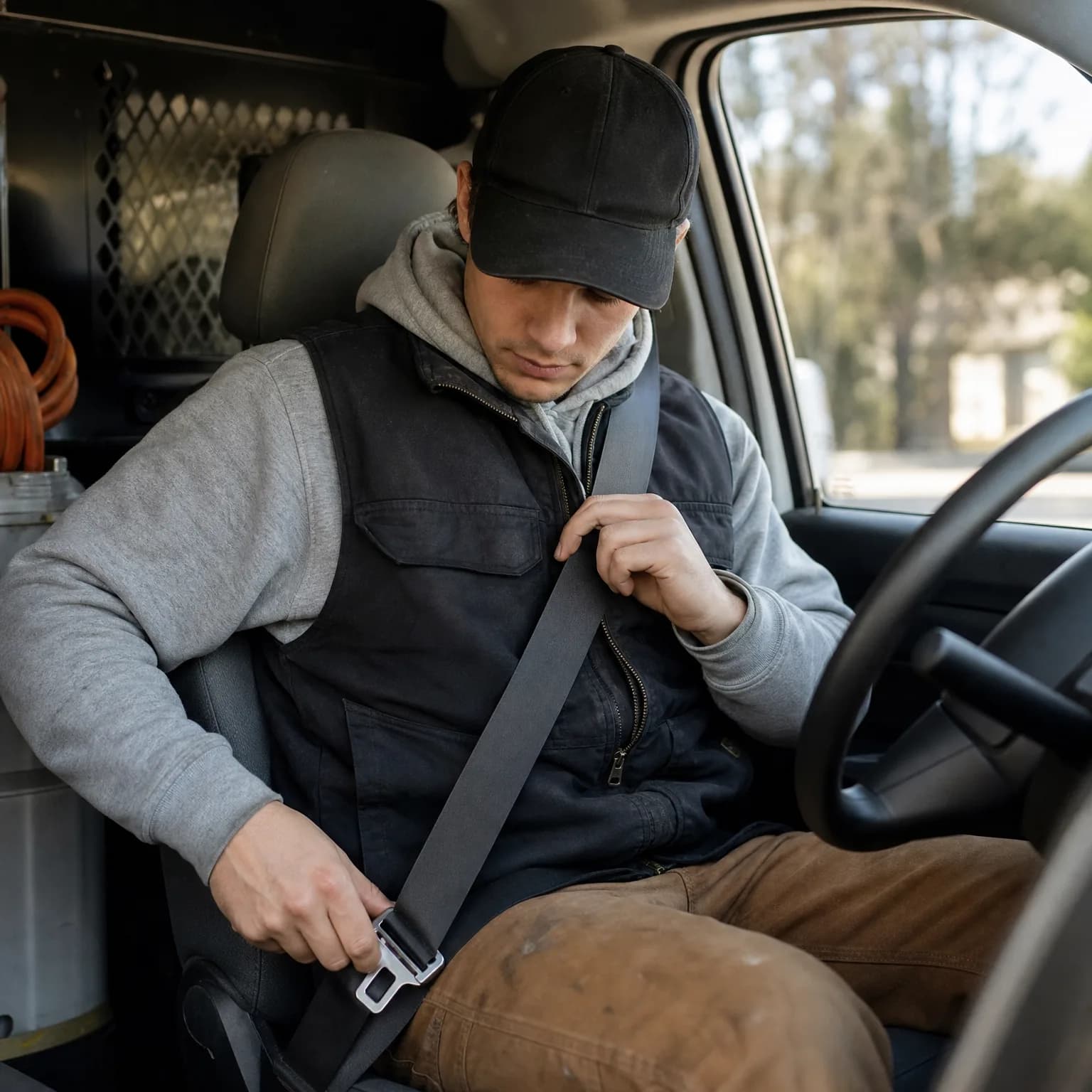




The Non-Owner Policy Path Most Nevada Drivers Miss
Nevada does not require you to own a vehicle to reinstate a suspended license. If your car was repossessed, sold, or totaled during the suspension period, a non-owner SR-22 policy satisfies the DMV's proof-of-insurance requirement under NRS 485. The insurer files the SR-22 certificate electronically; the DMV receives it within one business day; you proceed with reinstatement once the $35 or $75 fee is paid and any other conditions (DUI school, ignition interlock) are met.
Non-owner policies exclude collision, comprehensive, and any coverage tied to a specific vehicle. They cover liability only — bodily injury and property damage you cause while driving a borrowed or rental vehicle. Monthly premiums run 40–50% lower than owner policies because actuarial risk drops when the driver doesn't have daily access to a vehicle. Geico, Progressive, State Farm, and USAA all write non-owner SR-22 in Nevada; Dairyland and The General write it for DUI filers.
The catch: non-owner SR-22 becomes invalid the moment you register a vehicle in your name. NIVS crosschecks registered vehicles against active policies. If you buy or register a car mid-filing period, you must convert to an owner policy within 30 days or the DMV treats the SR-22 as lapsed and re-suspends your license. Carriers allow mid-term conversions without penalty, but the monthly premium jumps to owner-policy rates immediately.
3 years
Nevada SR-22 Filing Period
Nevada requires continuous SR-22 filing for three years from the date of reinstatement, not the date of conviction or suspension. A single lapse — even one day between policy terms — resets the three-year clock and triggers automatic re-suspension under NRS 485.187.
NRS 485

Filing Speed vs Long-Term Cost
Non-standard carriers file SR-22 certificates within one business day. Standard-tier carriers route filings through underwriting and take 24–72 hours. If you're facing a court deadline or a DMV reinstatement hearing scheduled within the week, non-standard tier is the only pathway that closes the gap. But monthly premiums run $55–$130 higher, compounding to $1,980–$4,680 over three years.
The math changes if you can absorb the 72-hour delay. Standard-tier carriers writing administrative-suspension SR-22 filings save $1,980–$3,960 over the three-year period compared to non-standard carriers. The tradeoff: you wait three days for the filing to post to NIVS, and you must maintain a clean payment record — standard-tier carriers drop policies for late payments more aggressively than non-standard carriers tolerate lapses.
Compare Rates Before You File
Nevada's SR-22 market segments by suspension trigger, vehicle ownership, and prior violation history. A non-owner policy for an insurance-lapse suspension costs half what a DUI owner policy runs, but only five carriers write that specific combination in Nevada. The cheapest rate is the intersection of your violation type, your vehicle status, and the carrier tier willing to underwrite your case. Start with standard-tier quotes (Geico, Progressive, State Farm) if your suspension stems from administrative causes; move to non-standard tier (Bristol West, Dairyland, The General) only if standard carriers decline or quote above non-standard rates. Compare at least three carriers before filing — monthly premium differences compound over 36 months, and Nevada law locks you into continuous coverage for the full three-year period with no early termination once the SR-22 posts to NIVS.
How Nevada Carriers Tier SR-22 Pricing
Standard-tier carriers (Geico, Progressive, State Farm, USAA) write SR-22 filings for administrative suspensions and first-time DUI cases with clean prior records. Monthly premiums for non-owner SR-22 policies range $85–$140. Owner policies covering a registered vehicle add $50–$90/month for liability-only coverage meeting Nevada's 25/50/20 minimums. These carriers approve online quotes but route SR-22 filings through underwriting, adding 24–72 hours to the process.
Non-standard carriers (Bristol West, Dairyland, The General, Infinity) specialize in post-DUI and multiple-violation filings. Monthly premiums for non-owner SR-22 range $140–$220; owner policies run $190–$270/month. These carriers file SR-22 certificates electronically within one business day and tolerate payment plans, but renewal lapses trigger immediate suspension notices under NIVS. Non-standard tier becomes cheaper than standard tier only when standard carriers decline the application outright — typically after a second DUI or a DUI combined with an at-fault accident.
Get Your Free Quote
Get My Nevada Suspended License Insurance QuoteFrequently Asked Questions
How much does SR-22 insurance cost per month in Nevada?
Non-owner SR-22 policies in Nevada cost $85–$140/month from standard-tier carriers for administrative suspensions; DUI filings add $60–$130/month. Owner policies covering a registered vehicle cost $50–$90/month more. Non-standard carriers (Bristol West, Dairyland, The General) charge $140–$270/month depending on violation history.
Do I need SR-22 if my Nevada license is suspended for unpaid tickets?
Unpaid-ticket suspensions in Nevada typically do not require SR-22 filing unless the suspension also involves an insurance lapse or a driving-related violation. Check your DMV suspension notice — if it lists NRS 485 (insurance code) as the statutory basis, SR-22 is required. If it cites only NRS 483 (licensing code), paying the tickets and the $35 reinstatement fee may be sufficient.
Can I get SR-22 insurance in Nevada without owning a car?
Yes. Non-owner SR-22 policies satisfy Nevada's reinstatement requirement under NRS 485 even if you don't own a registered vehicle. Geico, Progressive, State Farm, USAA, Dairyland, and The General all write non-owner SR-22 in Nevada. Monthly premiums run 40–50% lower than owner policies because the coverage excludes collision and comprehensive.
How fast can I get SR-22 filed in Nevada?
Non-standard carriers (Bristol West, Dairyland, The General) file SR-22 certificates electronically within one business day. Standard-tier carriers (Geico, Progressive, State Farm) route filings through underwriting and take 24–72 hours. Nevada's electronic insurance verification system (NIVS) posts filings to the DMV in near-real-time once the carrier submits.
What happens if my SR-22 lapses in Nevada?
Nevada's NIVS system reports SR-22 lapses to the DMV in near-real-time. The DMV automatically re-suspends your license under NRS 485.187, and the three-year SR-22 filing period resets from the new reinstatement date. You must pay the reinstatement fee again ($35 or $75 depending on suspension type) and file a new SR-22 to restore driving privileges.
Does Nevada require SR-22 for DUI suspensions?
Yes. DUI revocations in Nevada require SR-22 filing for three years post-reinstatement under NRS 484C. The reinstatement fee is $75 (compared to $35 for administrative suspensions). You must also complete DUI school and may be required to install an ignition interlock device under NRS 484C.460 before the DMV issues a restricted license.
Can I switch SR-22 carriers in Nevada mid-filing period?
Yes, but the switch must be seamless — no gap between the old policy's cancellation and the new policy's effective date. If NIVS detects even one day without active SR-22 coverage, the DMV re-suspends your license and resets the three-year filing clock. The new carrier files an SR-22 certificate electronically; the old carrier files an SR-26 cancellation notice. Confirm the new policy's effective date overlaps the old policy's end date before canceling.