
Cheapest Non-Owner SR-22 Insurance — Nevada
Free to compare
Non-Owner SR-22 When You Don't Own a Car
Nevada DMV suspended your license and told you SR-22 filing is required for reinstatement. You sold your car months ago, gave it to family, or never owned one to begin with. You called three carriers and two quoted you $140/month, one said they can't help without a vehicle listed on the policy. None of them mentioned non-owner SR-22 by name, and you're stuck between a reinstatement requirement you can't satisfy and premiums you can't afford.
Non-owner SR-22 is a liability-only policy designed for drivers who don't own a vehicle but need proof of insurance to satisfy state filing requirements. Nevada accepts non-owner SR-22 for reinstatement in most suspension cases—DUI, points accumulation, uninsured driving, and lapse-related revocations. The monthly premium runs $35–$65/month with carriers that actively write non-owner policies, compared to $110–$180/month for standard SR-22 coverage that includes a vehicle.
“Non-owner SR-22 costs 40–60% less than standard SR-22 because it omits vehicle coverage—most carriers bury this option or quote the wrong product entirely.”

Line Up Nevada Coverage Before Reinstatement
Get My Nevada Suspended License Insurance Quote$35–$65/mo
Nevada Non-Owner SR-22 Premium
Non-owner SR-22 policies carry only liability coverage—no collision, comprehensive, or vehicle-specific coverage—so the premium reflects a smaller risk pool. Standard SR-22 with a listed vehicle runs $110–$180/month for the same Nevada suspended-driver profile.
Carrier rate filings reviewed Feb 2025
Why Most Quotes Come Back Wrong
When you call a carrier and say "I need SR-22 but I don't have a car," the agent routes you to standard auto insurance and tries to add SR-22 endorsement on top. The system assumes you own a vehicle and the agent quotes accordingly. You get a $140/month figure for a policy covering a car you don't drive, or you get told the carrier can't help without a VIN. Both outcomes are structurally wrong.
Non-owner SR-22 is a separate product class that most direct-to-consumer carrier portals don't surface in online quote flows. Geico, Progressive, The General, and Dairyland all write non-owner SR-22 in Nevada, but you have to request it explicitly by name—either through a phone agent who knows the product exists or through a broker who works the non-standard market. Asking for "SR-22 without a vehicle" triggers the wrong script; asking for "non-owner SR-22 policy" gets the agent to the right product menu.
The pricing gap exists because non-owner policies don't cover vehicle damage. You're buying the minimum Nevada liability limits—$25,000 per person bodily injury, $50,000 per accident, $20,000 property damage—plus the SR-22 certificate filing. The carrier's exposure is limited to liability claims when you're driving someone else's car with permission. No collision risk, no comprehensive theft or weather damage, no gap coverage. The underwriting math reflects that reduced risk, and the premium drops accordingly.
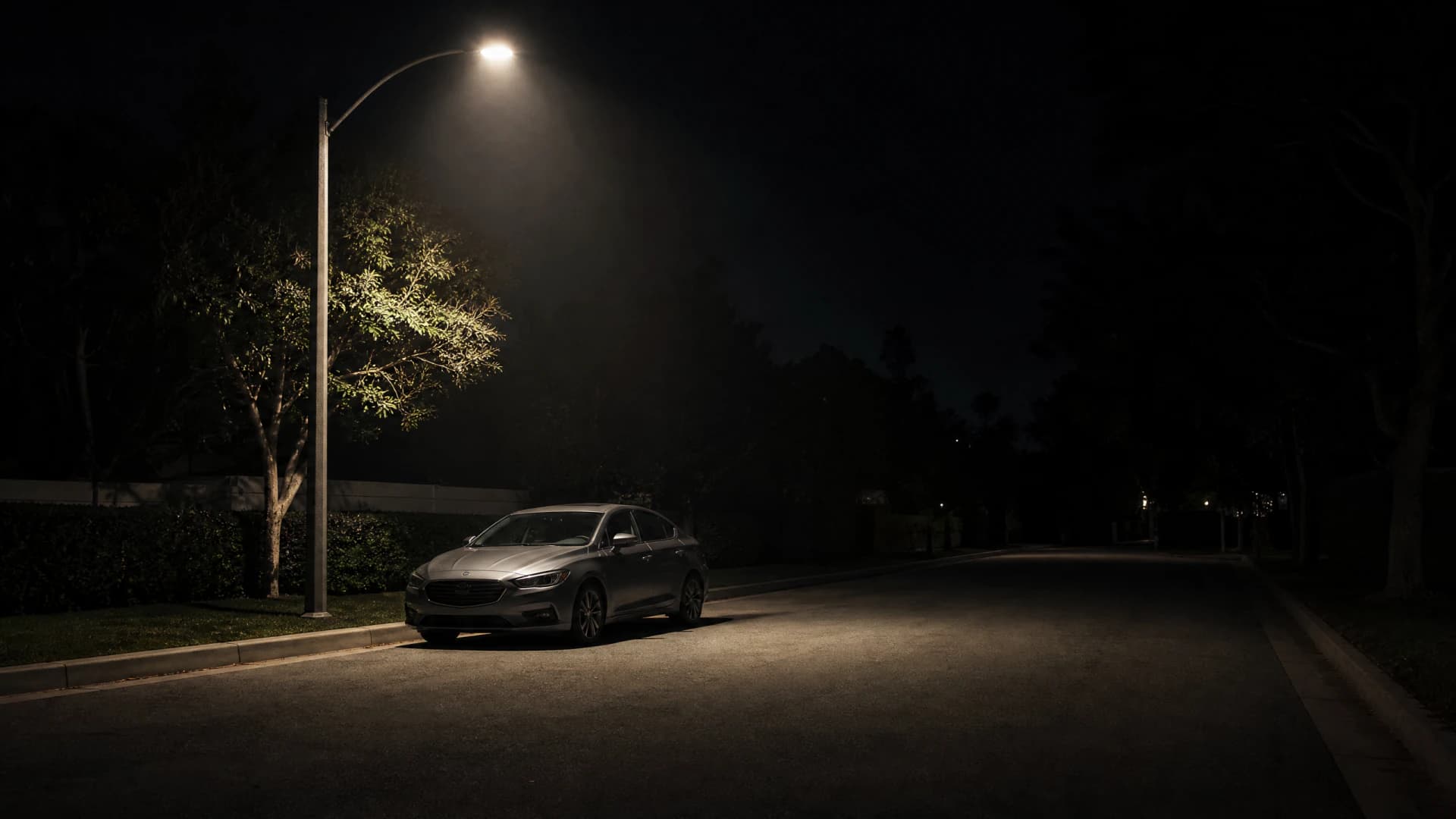
Non-owner SR-22 doesn't cover damage to vehicles you drive—only liability to others. If you borrow a car regularly, the owner's insurance is primary; your non-owner policy fills coverage gaps only when the owner's limits are exhausted.






Non-Owner SR-22 Reinstatement Path in Nevada
Nevada DMV requires three elements for reinstatement after most suspensions: payment of the $35 base reinstatement fee, proof that you've addressed the triggering violation (DUI school completion, paid tickets, child support compliance), and SR-22 certificate on file with the state for the required duration. Non-owner SR-22 satisfies the third requirement even when you don't own a vehicle. The DMV does not require you to list a specific car on the SR-22 form—the certificate proves financial responsibility through liability coverage, and non-owner policies meet that standard.
The SR-22 filing period in Nevada is typically three years from the date DMV receives the certificate, not from your suspension date or conviction date. If your suspension began January 2024 but you don't file SR-22 until June 2025, the three-year clock starts June 2025. Letting the non-owner policy lapse before the three-year window closes triggers automatic re-suspension—the carrier notifies Nevada DMV electronically within 24 hours of cancellation, and your driving privilege is revoked again without a separate hearing.
DUI-related suspensions in Nevada carry a 45-day hard suspension period before restricted license eligibility. Non-owner SR-22 can be filed during the hard suspension to start the three-year clock running, but you won't receive actual driving privileges until after the 45 days and after DMV approves your restricted license application. Non-DUI suspensions—points, lapse, unpaid tickets—generally allow reinstatement as soon as the triggering issue is resolved and SR-22 is on file, assuming no court-ordered suspension period remains active.
3 years
Nevada SR-22 Filing Period
Nevada requires SR-22 on file for three years after DMV receives the certificate. The period is measured from filing date, not suspension start or conviction date. Early cancellation restarts the suspension and the three-year window resets from the new filing date.
NRS 485.383

What Happens When You Start Driving Again
Non-owner SR-22 covers you while driving a car you don't own—borrowing a friend's vehicle, renting a car for a trip, using a family member's car occasionally. The moment you buy, lease, or register a vehicle in your name, the non-owner policy no longer provides appropriate coverage. Nevada law requires vehicle owners to carry liability insurance that covers the specific registered vehicle. Non-owner policies explicitly exclude vehicles you own, lease, or regularly use as if you own them.
When you purchase a vehicle, you have two options: cancel the non-owner policy and replace it with a standard auto policy that includes the vehicle and carries SR-22 endorsement, or add the vehicle to an existing policy if your carrier allows it and transfer the SR-22 to the new policy number. Either way, the SR-22 filing must remain continuous—there cannot be a gap between the non-owner policy end date and the standard policy start date, or Nevada DMV treats it as a lapse and re-suspends your license. Call your carrier before you finalize the vehicle purchase to coordinate the policy transition and prevent a filing break.
Compare Nevada Non-Owner SR-22 Rates Now
Non-owner SR-22 premiums vary by carrier, suspension trigger, county, and how long ago the violation occurred. A first-time DUI from 18 months ago prices differently than a points-suspension from three months ago. The $35–$65/month range is a baseline for drivers with single-trigger suspensions and no prior SR-22 filing history. Multiple DUIs, commercial driver violations, or suspended-while-suspended cases push premiums higher—sometimes into the $80–$100/month range even for non-owner policies—but still below the $140–$180/month cost of adding a vehicle to the policy.
Request quotes from at least three carriers that actively write non-owner policies in Nevada. Use the exact phrase "non-owner SR-22 policy" when you call or submit the online form—generic "SR-22 insurance" requests route to the wrong product. Provide your suspension letter from Nevada DMV, your current address, and the exact violation date. Carriers underwrite based on time elapsed since the triggering event, and six months of clean driving post-suspension can reduce your rate by 15–25% compared to quoting the day your suspension begins. Compare not just monthly premium but also SR-22 filing fees—some carriers charge $25–$50 upfront to file the certificate, others include it in the first month's payment.
Carriers Writing Non-Owner SR-22 in Nevada
Progressive writes non-owner SR-22 through direct and independent agent channels. Quote requests go through phone agents—the online portal doesn't offer non-owner as a self-service option. Premium for Nevada DUI-suspended drivers typically runs $45–$70/month depending on county and conviction date. Same-day SR-22 electronic filing to Nevada DMV once the policy binds. Geico offers non-owner SR-22 but routes most quotes to the phone channel. Premium range $40–$65/month for standard DUI or points-suspension cases. Geico files SR-22 electronically within one business day of policy effective date.
The General specializes in high-risk and non-standard drivers. Non-owner SR-22 policies available statewide with monthly premiums $50–$80 depending on suspension type and length. The General accepts DUI, multiple violations, and lapse-related suspensions without categorical declines. Dairyland writes non-owner policies for suspended drivers in 38 states including Nevada. Premium $35–$60/month for liability-only non-owner SR-22. Dairyland is often the lowest-cost option for drivers with clean records prior to a single triggering event—first DUI, insurance lapse suspension, or isolated points accumulation.
Get Your Free Quote
Get My Nevada Suspended License Insurance QuoteFrequently Asked Questions
Can I get Nevada SR-22 without owning a car?
Yes. Non-owner SR-22 policies provide the liability coverage and certificate filing Nevada DMV requires for reinstatement without listing a vehicle. Geico, Progressive, The General, and Dairyland all write non-owner SR-22 in Nevada. Premium runs $35–$65/month, compared to $110–$180/month for standard SR-22 with a vehicle.
Does non-owner SR-22 cover rental cars in Nevada?
Non-owner SR-22 provides liability coverage when you drive a rental car, but it doesn't cover damage to the rental vehicle itself. Rental companies offer collision damage waiver (CDW) separately. Your non-owner policy covers injuries or property damage you cause to others; the rental car's physical damage falls under CDW or your credit card's rental coverage if applicable.
How long do I need non-owner SR-22 in Nevada?
Nevada requires SR-22 on file for three years from the date DMV receives the certificate. If you buy a vehicle during that period, you must transfer the SR-22 to a standard auto policy covering the vehicle without any gap in filing. Canceling the non-owner policy before three years triggers automatic license re-suspension.
What happens if my non-owner SR-22 lapses in Nevada?
The carrier notifies Nevada DMV electronically within 24 hours of cancellation. DMV automatically suspends your license again without a separate hearing. Reinstatement requires filing a new SR-22 and paying the $35 reinstatement fee again, and the three-year SR-22 period resets from the new filing date.
Can I switch carriers during my Nevada SR-22 period?
Yes, but the SR-22 filing must remain continuous. Before you cancel the old policy, confirm the new carrier has filed SR-22 with Nevada DMV and the effective date overlaps or immediately follows the old policy's end date. Any gap—even one day—triggers re-suspension. Request written confirmation of the new SR-22 filing before you cancel the existing policy.
Does non-owner SR-22 work for Nevada restricted licenses?
Yes. Nevada restricted licenses (issued after the 45-day hard suspension for DUI cases) require proof of insurance just like full reinstatement. Non-owner SR-22 satisfies the insurance requirement whether you're applying for a restricted license or full reinstatement. The restricted license limits when and where you can drive, but the SR-22 filing requirement is identical.