Non-Owner SR-22 After DUI — Nevada
Free to compare
The No-Vehicle SR-22 Problem
You sold your car after the DUI arrest because you couldn't afford insurance and registration on a suspended license. Now Nevada DMV says you need SR-22 filing to reinstate, but every carrier you've called requires you to own a registered vehicle before they'll write a policy. The state's reinstatement checklist demands proof of insurance you can't get without a car you don't own.
Non-owner SR-22 policies exist to resolve this exact structural problem. They provide the liability coverage and SR-22 certificate Nevada requires for reinstatement without requiring vehicle ownership or registration. The policy covers you when you drive someone else's car — a rental, a friend's vehicle, or a future vehicle you haven't purchased yet. Nevada accepts non-owner SR-22 filings from licensed insurers for reinstatement purposes under NRS 485.187, and several carriers writing in Nevada offer this product specifically for suspended drivers.
“Nevada accepts non-owner SR-22 filings for reinstatement — the policy covers you in any vehicle you don't own, and costs 40–60% less than standard coverage.”

Line Up Nevada Coverage Before Reinstatement
Get My Nevada Suspended License Insurance Quote$35–$55/mo
Non-Owner SR-22 Premium Range
Non-owner policies cost 40–60% less than standard owner policies because they exclude collision and comprehensive coverage and cover lower annual mileage. Post-DUI rates sit at the higher end of the range; clean-record non-owner policies start around $25/mo.
Carrier rate filings and non-standard insurer public rate guides, Nevada, 2024
What Non-Owner SR-22 Actually Covers
A non-owner policy provides liability coverage when you drive a vehicle you don't own. It pays for injuries and property damage you cause to others — the same bodily injury and property damage liability required under Nevada's minimum coverage law. Nevada minimums are $25,000 per person for bodily injury, $50,000 per accident for bodily injury, and $20,000 for property damage. The policy does not cover damage to the vehicle you're driving; the vehicle owner's insurance handles that under their collision coverage.
The SR-22 certificate is a financial responsibility filing your insurer electronically transmits to Nevada DMV confirming continuous liability coverage. The certificate itself is not insurance; it's a monitoring document. When your insurer issues the policy, they file the SR-22 directly with the state through Nevada's electronic insurance verification system. If the policy lapses or cancels, the insurer notifies DMV within 24 hours and your license is re-suspended immediately.
Non-owner policies explicitly exclude vehicles you own, vehicles registered in your name, and vehicles furnished for your regular use. If you purchase a car six months into your non-owner policy term, you must convert to a standard owner policy and transfer the SR-22 filing to the new policy within 30 days. Failure to notify the carrier triggers a lapse filing and re-suspension.

Nevada DMV requires SR-22 for three years post-DUI conviction, measured from the conviction date. Allowing the policy to lapse at any point during that three-year period re-suspends your license and restarts the reinstatement process from zero.





Carriers Writing Non-Owner SR-22 in Nevada
Not every carrier writing in Nevada offers non-owner policies, and those that do impose underwriting restrictions for post-DUI applicants. The General, Progressive, Geico, Dairyland, and Bristol West explicitly write non-owner SR-22 coverage in Nevada for suspended drivers. National General and Infinity also write non-owner policies but may decline DUI applicants depending on how recent the conviction is and whether you completed court-ordered treatment programs.
Standard-tier carriers like State Farm, Allstate, and Farmers do not universally offer non-owner products, and when they do, they typically exclude applicants with DUI convictions within the past five years. Non-standard carriers specialize in high-risk drivers and price policies accordingly — your rate reflects DUI surcharge multipliers that compound the base non-owner premium. Expect quotes from non-standard carriers to run 30–50% higher than standard-tier non-owner rates, but non-standard carriers are often the only option available within six months of a DUI conviction.
Some carriers require you to purchase the policy through a licensed broker rather than directly online. Bristol West and Dairyland both require broker placement for SR-22 filers in Nevada. The broker's commission is built into the premium; you do not pay a separate broker fee. Geico and Progressive allow direct online quoting for non-owner SR-22 policies, but both run underwriting reviews that can delay policy issuance by 24 to 72 hours if your DMV record flags multiple violations.
3 years
Nevada SR-22 Filing Period
Nevada requires SR-22 for three years from your DUI conviction date under NRS 485.3475. The three-year clock does not start when you reinstate your license — it starts on conviction. If reinstatement takes six months, you still owe three full years of SR-22 from conviction, meaning 2.5 years post-reinstatement.
NRS 485.3475, Nevada Revised Statutes

When to Convert from Non-Owner to Owner Policy
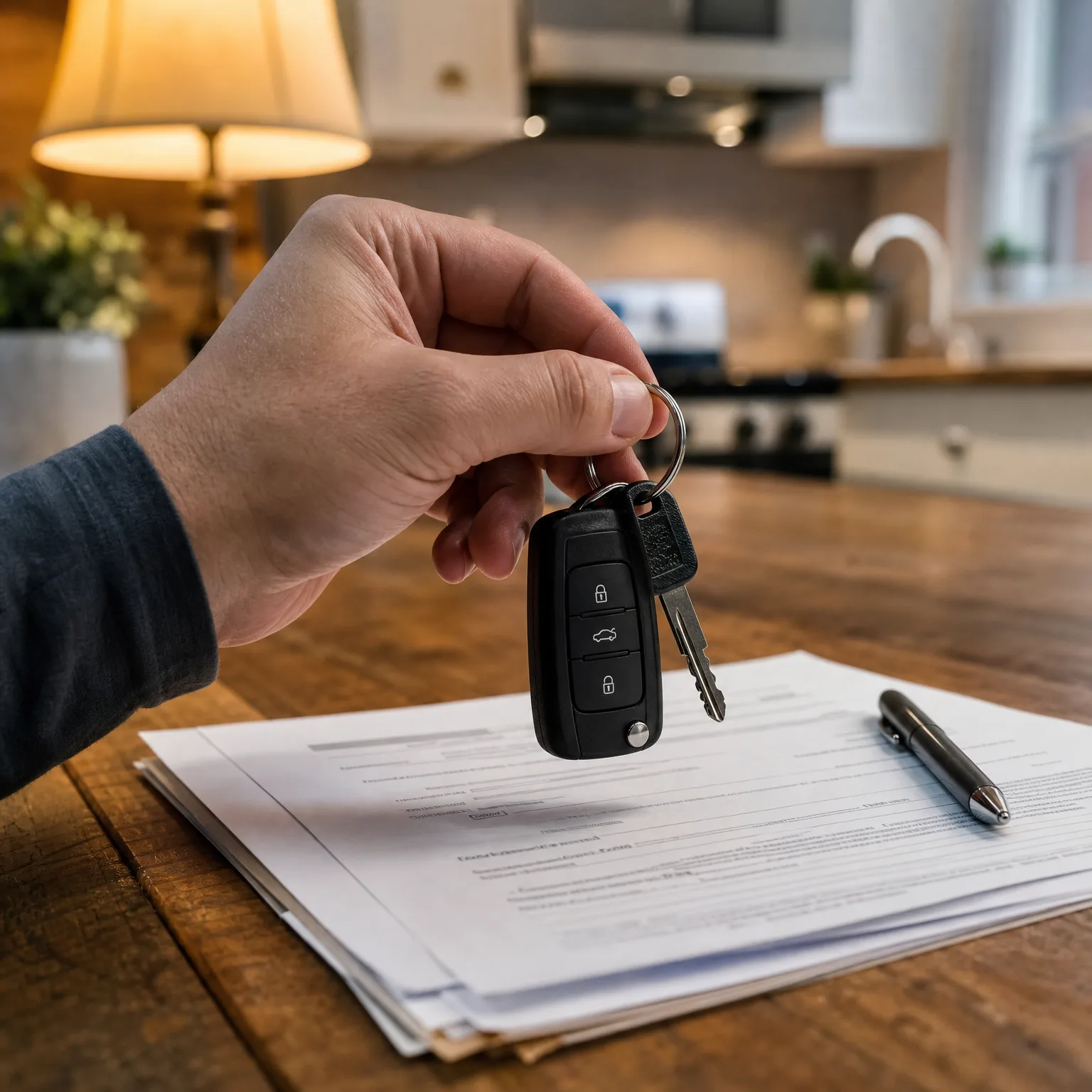
The moment you purchase a vehicle or register a car in your name, your non-owner policy exclusions activate and you lose coverage. Non-owner policies explicitly exclude vehicles you own or vehicles furnished for your regular use. If you're in an accident driving a car titled in your name while covered under a non-owner policy, the insurer denies the claim and cancels the policy. The SR-22 filing lapses, DMV receives the cancellation notice, and your license is re-suspended within 24 hours.
You must convert to a standard owner policy and transfer the SR-22 filing before the vehicle purchase closes. Contact your insurer the day you register the vehicle. They issue a new owner policy, cancel the non-owner policy without lapse penalty, and file an updated SR-22 with Nevada DMV reflecting the new policy number. This transfer process takes one to two business days — do not drive the newly registered vehicle until the new SR-22 filing confirms in DMV's system. Some carriers allow seamless transfers with no lapse window; others require you to cancel the non-owner policy and purchase a separate owner policy, creating a brief gap that triggers re-suspension if not timed correctly.
Compare Non-Owner SR-22 Carriers Now
Non-owner SR-22 premiums vary by 40–60% between carriers for the same coverage limits and driver profile. The General may quote $55/mo while Dairyland quotes $90/mo for identical liability limits. You cannot comparison-shop effectively by calling each carrier individually — most require broker placement and will not provide quotes over the phone without running your full driving record. Use Nevada Suspended License Insurance's carrier comparison tool to see which insurers write non-owner SR-22 in your county, what their underwriting restrictions are for post-DUI applicants, and whether they allow direct online purchase or require broker placement. Enter your conviction date and current license status; the tool filters to carriers actually writing coverage for your specific situation and shows monthly premium ranges based on Nevada liability minimums.
Getting Non-Owner SR-22 Before Reinstatement
First, complete Nevada's mandatory 45-day hard suspension period for first-offense DUI under NRS 483.490. The hard suspension begins on your conviction date or the date DMV administratively revoked your license under Nevada's implied consent law, whichever is earlier. You cannot apply for a restricted license or reinstatement during this 45-day window — no exceptions. After the hard period expires, you may apply for a restricted license conditioned on ignition interlock device installation, but the restricted license still requires SR-22 filing and proof of continuous insurance.
Second, purchase a non-owner SR-22 policy from a licensed Nevada carrier. The insurer files the SR-22 electronically with Nevada DMV within 24 to 48 hours of policy issuance. Once the filing hits DMV's system, you receive confirmation and can proceed with the reinstatement application. You pay the $35 base reinstatement fee plus any applicable DUI-specific fees at a Nevada DMV office or through the DMV eServices portal if your case qualifies for online processing. DUI revocations generally require in-person appointments, completion of DUI education courses approved under NRS 484C.340, and potentially a vision retest or knowledge exam at DMV's discretion.
Get Your Free Quote
Get My Nevada Suspended License Insurance QuoteFrequently Asked Questions
Can I get SR-22 in Nevada without owning a car?
Yes. Non-owner SR-22 policies provide the liability coverage and SR-22 certificate Nevada requires for license reinstatement without requiring vehicle ownership. The policy covers you when driving vehicles you don't own — rentals, borrowed cars, or future vehicles. Nevada DMV accepts non-owner SR-22 filings under NRS 485.187 from licensed carriers.
How much does non-owner SR-22 cost after a DUI in Nevada?
Non-owner SR-22 policies typically cost $35–$55/mo for post-DUI drivers in Nevada. Rates vary by carrier, time since conviction, and whether you completed court-ordered DUI programs. Non-standard carriers like The General and Dairyland price at the higher end; standard carriers exclude recent DUI applicants entirely.
How long do I need to keep non-owner SR-22 in Nevada?
Nevada requires SR-22 filing for three years from your DUI conviction date under NRS 485.3475. The three-year period starts on conviction, not reinstatement. If you allow the policy to lapse at any point during those three years, Nevada DMV re-suspends your license immediately and you restart the reinstatement process.
What happens if I buy a car while on a non-owner SR-22 policy?
You must convert to a standard owner policy and transfer the SR-22 filing before driving the vehicle. Non-owner policies exclude vehicles you own or vehicles registered in your name. If you drive your newly purchased car under a non-owner policy, the insurer denies claims and cancels coverage, triggering SR-22 lapse and immediate re-suspension.
Which Nevada carriers write non-owner SR-22 for DUI drivers?
The General, Progressive, Geico, Dairyland, and Bristol West explicitly write non-owner SR-22 coverage in Nevada for post-DUI applicants. National General and Infinity write non-owner policies but may decline recent DUI cases. Standard-tier carriers like State Farm and Allstate typically exclude DUI applicants from non-owner products entirely.
Can I get a Nevada restricted license with non-owner SR-22?
Yes. Nevada's restricted license program allows limited driving after the 45-day hard suspension period, conditioned on ignition interlock device installation and SR-22 filing. Non-owner SR-22 satisfies the insurance requirement for restricted license applications. The restricted license limits driving to work, school, medical appointments, and court-ordered programs.